Life’s blueprint stretches far beyond random chance. Deep within the shells of sea creatures, the spirals of galaxies, and the arrangement of flower petals lies a mathematical sequence that has fascinated scientists for centuries.
Are These 10 Natural Occurrences Examples of the Fibonacci Sequence? From pine cones to spiral galaxies, fascinating patterns of the Fibonacci sequence occur naturally in nature. Find out how this ancient sequence manifests in our world and beyond.
However, to understand the concept of the Fibonaccisequence better, here are some examples where Fibonaccisequences are used or visible in nature. 1. Petal arrangements. The FibonacciSequence is often used to arrange the petals of flowers.
Fibonaccisequence appears in biological settings, such as the branching of trees, the arrangement of leaves on a stem, the flowering of artichokes, and the spiral arrangement of seeds in a sunflower.
You may be surprised to see just how many places the Fibonaccisequence appears. Here are just 18 examples, but we challenge you to find more in your daily life (or garden)!
Discover the magical manifestations of Fibonacci sequences in sunflowers, pinecones, nautilus shells, and other natural phenomena. Explore how nature follows mathematical patterns with stunning visual examples.
Numerous natural phenomena exhibit the Fibonaccisequence, showcasing its remarkable presence in the world around you. Here are some specific examples that highlight this mathematical pattern.
One of the most enchanting aspects of the Fibonaccisequence is its appearance in nature. For example, take the spirals of a sunflower or the arrangement of leaves around a stem. These are all governed by the Fibonaccisequence.
In this article, we will explore ten natural phenomena that are commonly associated with the Fibonaccisequence and analyze whether these patterns genuinely demonstrate the sequence in nature.
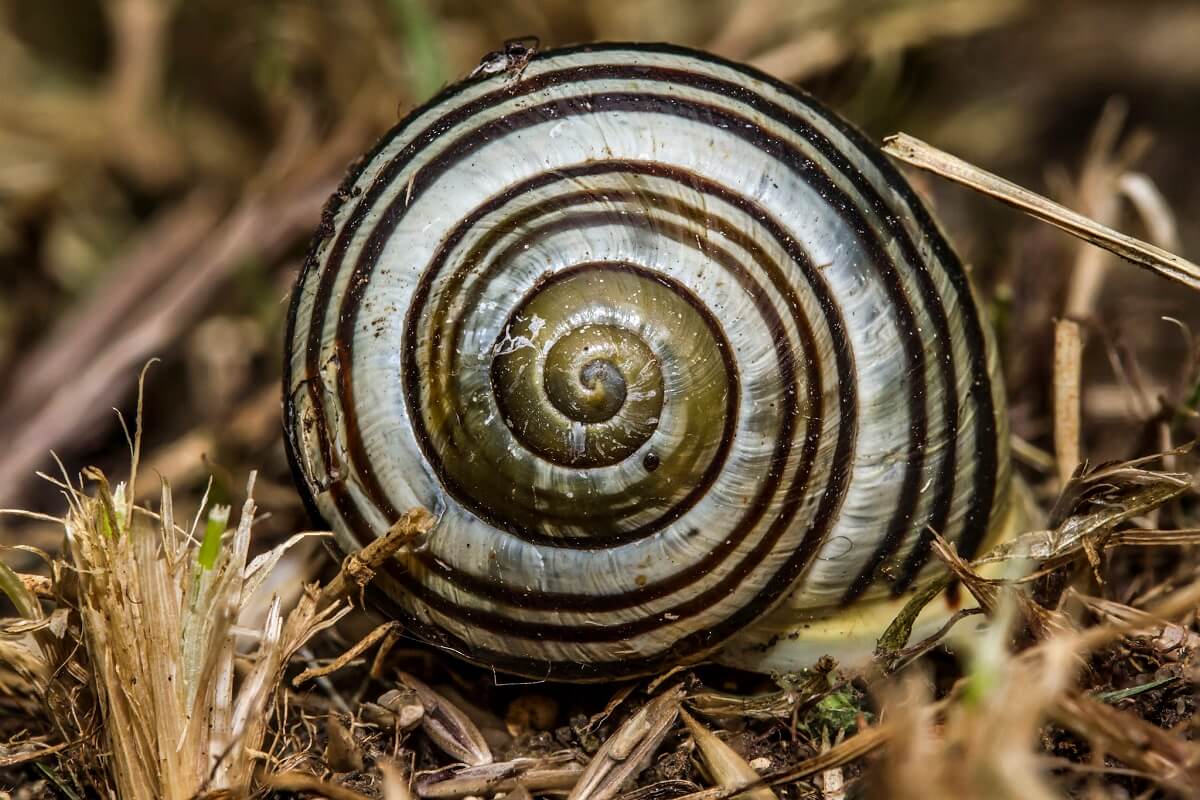 You may be surprised to see just how many places the Fibonacci sequence appears. Here are just 18 examples, but we challenge you to find more in your daily life (or garden)!